
Understanding the psychological triggers that drive gambling behavior
The allure of risk and reward
The fundamental appeal of gambling lies in its inherent risk and reward dynamic. Individuals are naturally drawn to the possibility of winning something substantial, which can evoke feelings of excitement and euphoria. This thrill can often lead to an adrenaline rush, causing players to chase that high, making them more likely to engage in gambling behavior. The anticipation of winning can create a powerful psychological pull that keeps players coming back for more. In the realm of digital gaming, participating in real poker online has become a popular choice for many seeking this thrilling experience.
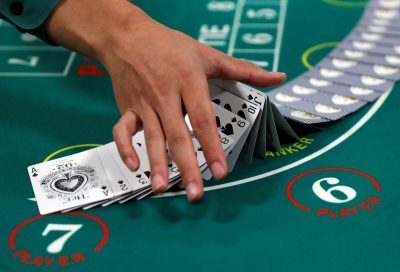
This risk-reward relationship can be particularly potent in online gambling environments, where the ease of access and instant gratification enhance the gambling experience. Players may feel a sense of control over their outcomes, especially in games that involve skill, which can further ignite their desire to play. Understanding this interplay between risk and excitement is crucial in comprehending why many individuals find gambling so compelling.
The role of cognitive biases
Cognitive biases significantly influence gambling behavior, often leading individuals to make irrational decisions. One common bias is the illusion of control, where gamblers believe they can influence outcomes in games of chance, such as slot machines or roulette. This misperception can lead to excessive play and increased losses as individuals persist in their belief that they can “beat the system.”
Another notable bias is the gambler’s fallacy, which occurs when individuals believe that past results will affect future outcomes. For example, a player might think that a slot machine is “due” for a win after a series of losses. These cognitive distortions can create a cycle of behavior that reinforces gambling addiction, as players become convinced that their luck will change, leading them to gamble more frequently.
The impact of social influences
Social factors play a pivotal role in shaping gambling behaviors. Peer pressure and social acceptance can motivate individuals to gamble, especially in environments where it is seen as a normal or entertaining activity. The influence of friends, family, or even social media can reinforce gambling as a desirable pastime, pushing individuals to partake in it more than they might do otherwise.
Furthermore, social gambling settings, such as casinos or betting events, can heighten the experience through collective excitement and shared anticipation. This communal aspect can make gambling feel more enjoyable and less risky, leading to an increase in participation. Understanding these social triggers is essential for recognizing how they can contribute to gambling behavior and potential addiction.
The psychological effects of winning and losing
The psychological aftermath of winning or losing in gambling can have profound effects on behavior. Winning can create a sense of elation and confidence, making players feel invincible and more likely to gamble again. This euphoria can cloud judgment, leading to increased stakes and riskier bets, ultimately setting the stage for potential financial losses.
Conversely, losing can lead to feelings of disappointment, frustration, and even despair. Some individuals may cope with losses by doubling down in an attempt to recover their money, a behavior known as chasing losses. This cycle of emotional highs and lows can entrap individuals in a perpetual gambling cycle, underscoring the importance of understanding the psychological consequences of gambling outcomes.

Exploring responsible gambling practices
Awareness of the psychological triggers driving gambling behavior is crucial for promoting responsible gambling practices. Educational initiatives aimed at providing information on cognitive biases, social influences, and the psychological effects of gambling can help individuals make informed decisions. By understanding these triggers, gamblers can develop strategies to set limits on their behavior and recognize when they might be at risk.
Websites dedicated to responsible gambling often provide resources to help individuals identify and manage their gambling habits. They can offer tools such as self-assessment quizzes, budgeting tools, and access to support networks, empowering individuals to gamble responsibly and mitigate the risks associated with gambling addiction. These resources are vital for fostering a safer gambling environment for everyone.